
An educational programme by Focus Europe ETSThe network of European territories

Schools and communities · Since 2007

Discover
Europe

From your local community
to the heart of the European institutions

A learning journey that begins at school, comes to life in Brussels and continues in the local community. To understand Europe, experience it first hand and imagine your future.

Lower secondary school · Third yearUpper secondary school · Fourth and fifth years
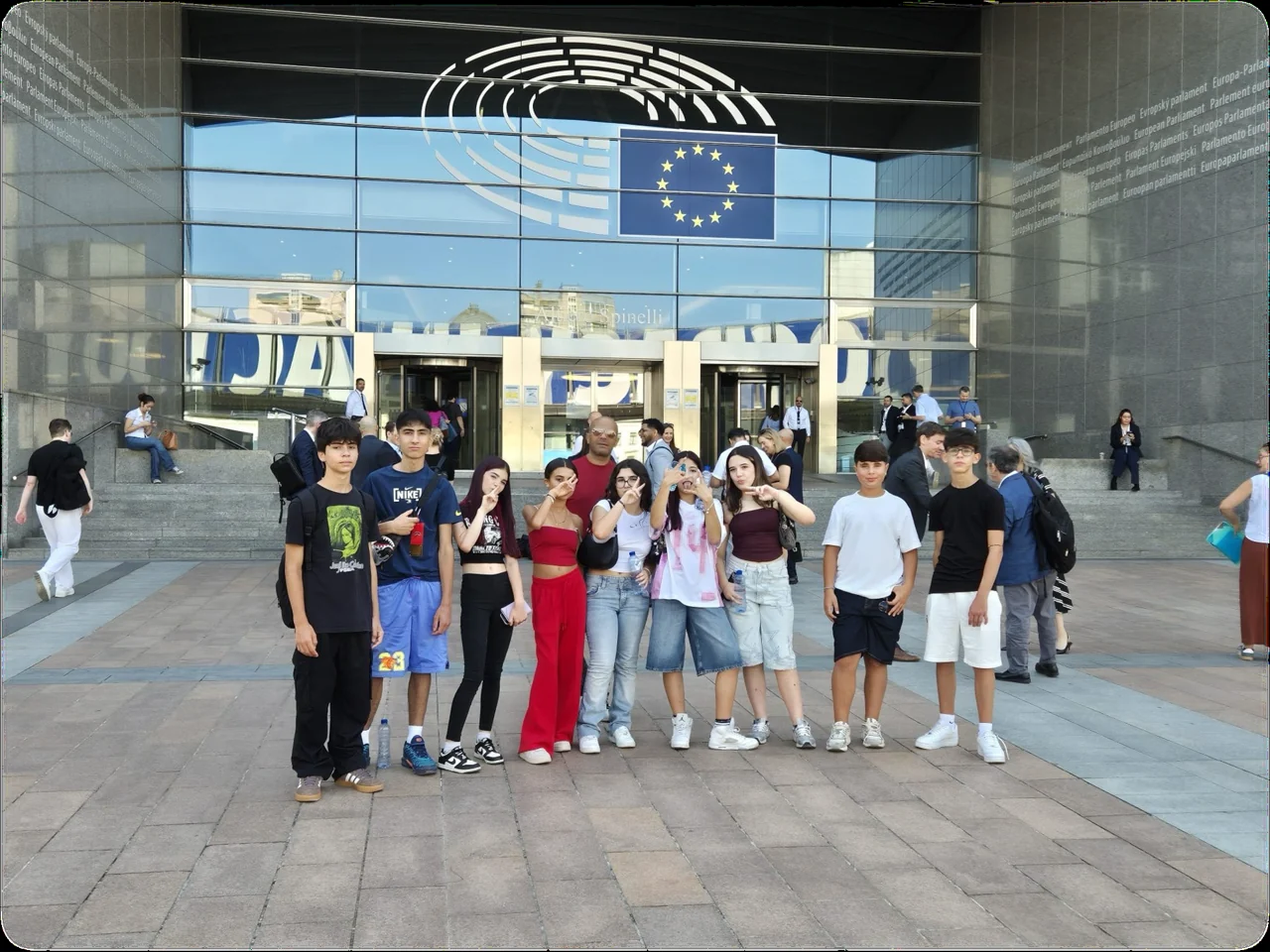
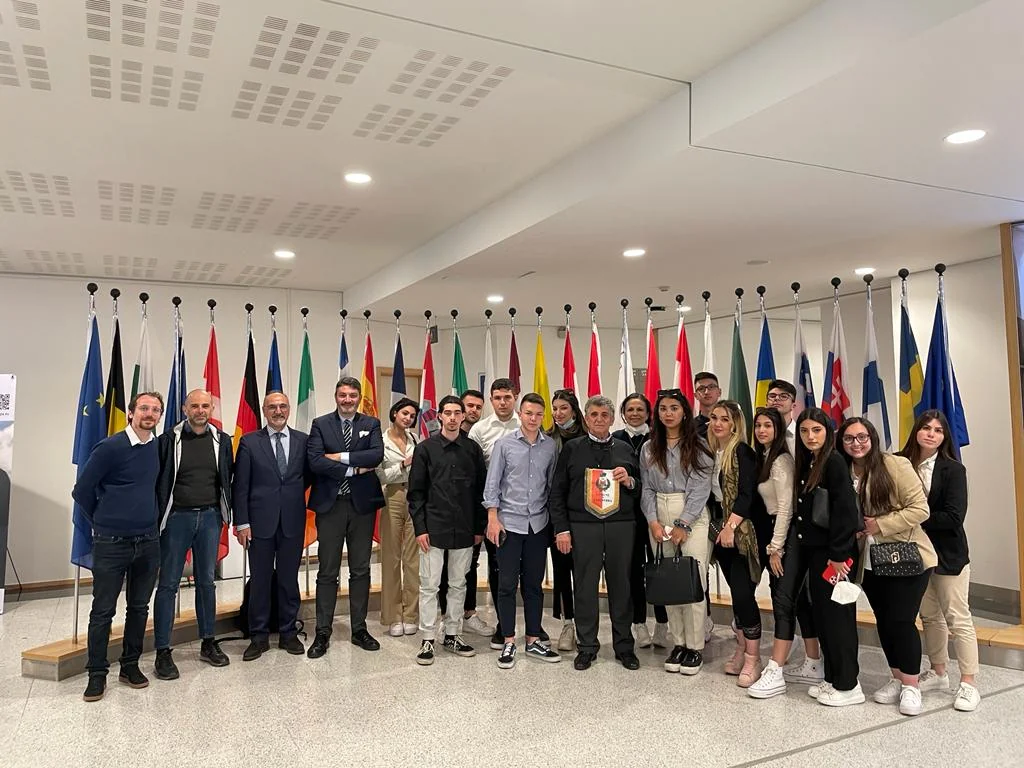
Students and accompanying adults from Gerrei outside the European Parliament in Brussels
From Gerrei to Brussels
European Parliament · July 2026
A programme to develop together with

Schools Municipalities Unions of Municipalities Foundations

An experience that builds knowledge and skills

Understanding Europe
Feeling part of it

Europe feels closer when it connects with young people’s lives, their questions and the places where they grow up.

Since 2007, Focus Europe has worked with schools and organisations on European education, combining citizenship, learning through experience and guidance for future choices. Preparatory activities involve the classes; where included, a visit to Brussels builds on this work and provides material to share with the community.

Each edition begins with a discussion of students’ ages, educational goals, available resources and local priorities.

Two programmes, one shared approach

Europe, at their stage of life

Content, language and activities respond
to the questions students are asking.

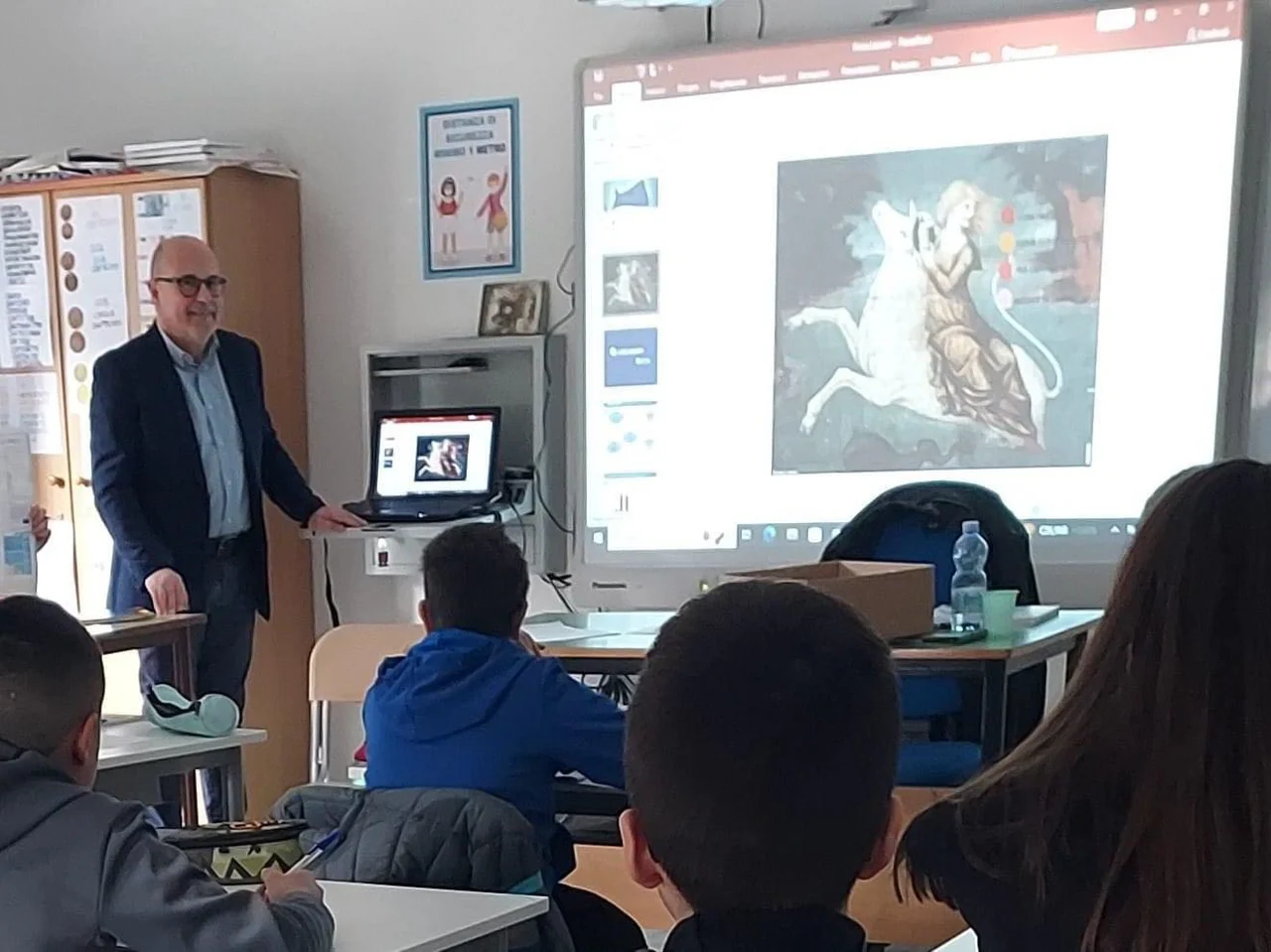
A classroom learning session with students from GerreiPreparing in the local community · Gerrei, 2024

Citizens of Europe

First questions
A wider horizon

A programme for the third year of lower secondary school in Italy: discovering how the European Union began, the values it shares and what it means to be an EU citizen.

  • Understanding the UnionHistory, countries, symbols, institutions and rights in everyday life.
  • Learning through participationRole play, maps, group activities and practical exercises in democracy.
  • Growing togetherCuriosity, independence, responsibility and encounters with different languages and cultures.
Sharing what has been learnedA journal, a map or an account of the experience to share with the school and families.
Suggest it to your school or municipality

Ages are indicative; programmes are defined by the year attended in the Italian school system. Any formal school recognition is agreed with the school.

Before, during and after

The journey begins
long before departure

Three connected stages.
One educational programme.

01In the local area

Preparing

Sessions in the classroom or at a shared local venue. Materials and workshops introduce young people to the EU’s history, values, institutions and opportunities.

  • Initial discussion with the school and promoting organisation
  • Participatory activities suited to students’ ages
  • Preparing questions and topics to explore
02In Brussels

Encountering Europe

Knowledge comes to life in places central to European democracy and history, through visits, guided activities and opportunities for discussion.

  • A dedicated educational programme
  • Accompaniment and educational coordination
  • Liaison with families and teachers
03In the community

Sharing

On their return, students make the experience a shared resource. They reflect on what they have learned and present it to classmates, families and local representatives.

  • Student work and a final presentation
  • Reviewing learning outcomes
  • Activity documentation for the promoting organisation
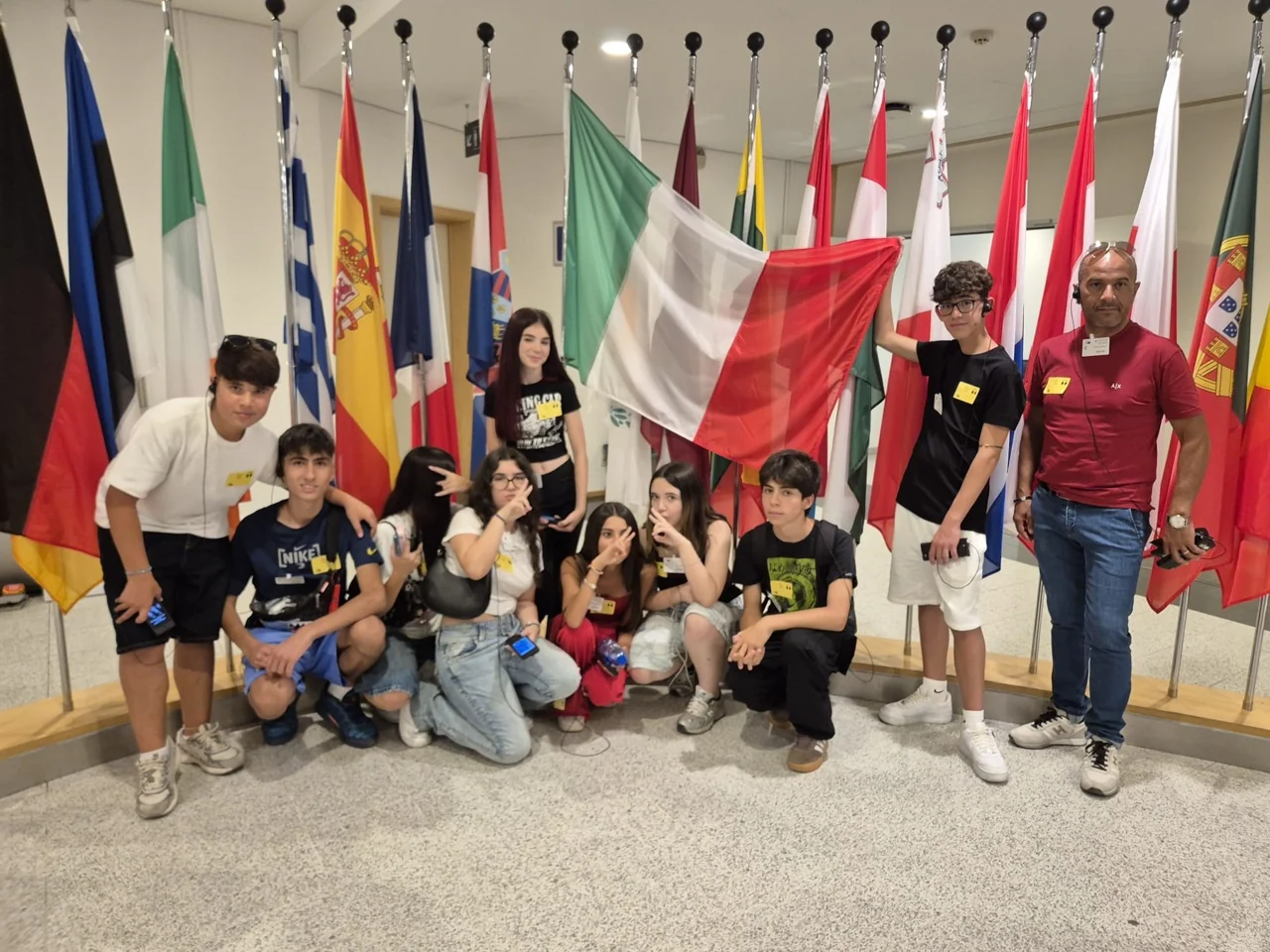
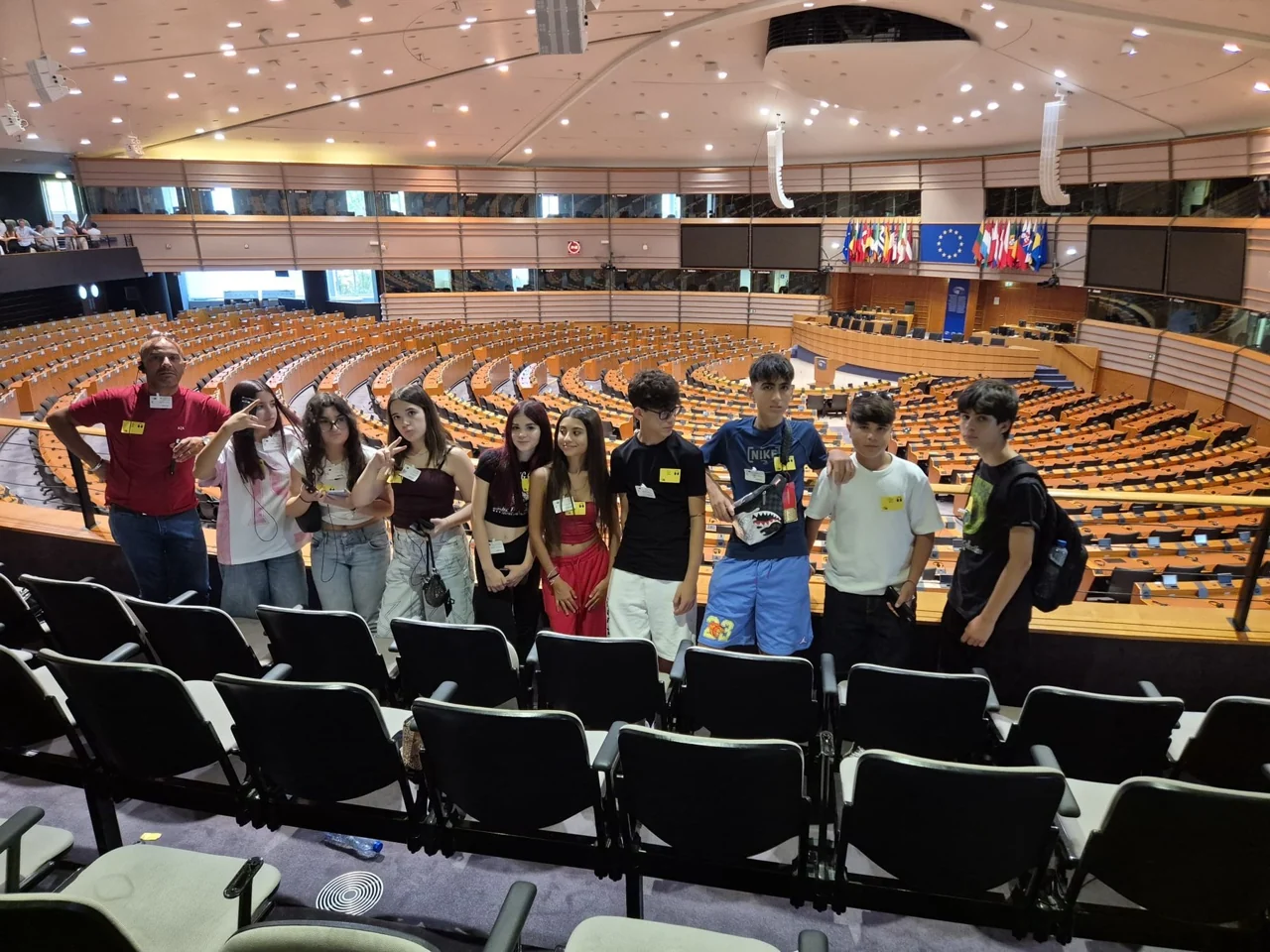
The Gerrei group in the European Parliament hemicycle, July 2026European Parliament hemicycle · Focus Europe archive, 2026

Learning becomes experience

Discovering the places
Connecting with the ideas

Brussels offers opportunities to connect classroom learning with the decisions, history and people that shape Europe.

01

European Parliament and ParlamentariumRepresentation, democratic debate and citizenship.

02

House of European HistoryThe shared events that have shaped contemporary Europe.

03

Meetings with MEPs and/or EU officialsConversations on topics agreed with the school, focusing on education, youth participation and European opportunities.

04

The city as a place to learnCultural heritage, multilingualism and everyday European life.

These places have featured in previous editions. Each new programme, including visits and any institutional meetings, is developed according to its objectives and availability, subject to confirmation by the hosts.

An approach developed through experience

Stories that begin
in local communities*

European education with schools
and communities since 2007.

Schools and foundations

Europeizziamoci 1 and 2
in the Logudoro area

With the Istituto Comprensivo di Ozieri, European citizenship education enters the classroom through participatory activities and a project shared with the local community. Europeizziamoci 1 and 2, supported by Fondazione di Sardegna, are examples of this work with schools and communities.

View the project profile (IT)
The municipality’s role

From Soleminis
to the European institutions

An initiative promoted by the municipal administration for lower secondary school students. Across several editions, preparatory learning and the programme in Brussels connected the school, the local community and first-hand knowledge of Europe.

The experience and its sources (IT)
Upper secondary schools

Upper secondary schools
Capoterra and beyond

In 2022, fourteen students from IIS Sergio Atzeni took part in the Brussels visit within “In Europa con l’Europa 4”, supported by Focus Europe. This is one example of Focus Europe’s wider work with upper secondary schools on European institutions, educational opportunities and professional development.

Read the report (IT)

These are some of the activities carried out since 2007. The examples shown here are a selection of Focus Europe’s educational work with schools and communities, including upper secondary schools.

Our archive, their experiences

Images from the programme

Photographs of activities delivered by Focus Europe. This gallery shows the Gerrei 2026 experience.

A proposal for your local area

Who can start a programme?
Your organisation can

The programme can be promoted by a school,
a municipality or a group of municipalities.

An investment in the community’s young people

We can develop a programme with schools in your municipality, defining the participants, local activities and a possible experience in Brussels.

  • Listening to local educational priorities
  • Liaison with the school, teachers and families
  • Proposed activities and a budget outline
Tell us about your local area

Three ways to support it

01

The organisation’s own resources

A proposal funded by the municipality, the Union of Municipalities or the school, with objectives and costs agreed together.

02

Cooperation between local communities

Several municipalities and schools share the programme, coordinate participation and pool resources.

03

Foundations and funding opportunities

The project can be developed as an application aligned with a funding call or support programme, subject to a review of its requirements, deadlines and eligibility.

The availability and award of funding depend on the funding organisation’s rules and decisions. The initial proposal helps identify the most suitable route.

Focus Europe’s role

Support
throughout the programme

We connect schools’ work, organisations’ priorities and the European dimension, with responsibilities set out in the proposal.

About Focus Europe ETS
01

Concept and project design

Needs analysis, participants, programme, schedule and budget outline.

02

Learning activities and materials

Teaching, workshops and tools suited to the classes involved.

03

Programme coordination

Liaison with the school and families, educational programming and organisational support for the visit.

04

Sharing outcomes and documentation

Closing activities, a report and materials to support the documentation required by the promoting organisation.

Practical information

Questions
to begin with

Does the visit to Brussels need to be planned from the start?

The programme can begin with local learning activities. The visit can be developed as a later stage or included from the outset, depending on the promoting organisation’s objectives and resources.

How many students can take part?

There is no single number for every edition. Learning activities may involve several classes or schools; the size of the visiting group is agreed with the promoting organisation. Where places are limited, selection criteria and procedures are defined transparently with the school and promoter.

How long does it last, and what does it cost?

These depend on the number of classes and students, learning sessions, dates, the length of the experience and the services included. Focus Europe prepares a tailored programme and budget outline. Requesting information does not commit you to the project.

How are families and teachers involved?

The project sets out liaison with the school and families, accompanying adults, permissions and required documentation. Visit arrangements and support measures are agreed before departure, taking account of participants’ ages and needs.

Are visits and meetings already guaranteed?

Each programme is developed for its particular edition. Access, visits and any meetings depend on the schedules and confirmation of the host venues and contacts. The proposal identifies planned and confirmed activities.

Can the programme include school credits or guidance activities?

For upper secondary schools, the programme can be developed with guidance objectives. Any formal recognition, agreements or inclusion in the curriculum are assessed and formalised by the school; participation does not grant them automatically.

The next programme can start here

Let us bring Europe
to your school
Let us start a conversation

Tell us about your local area, the classes you would like to involve and the idea you want to develop. We will contact you to discuss your needs and how to take the programme forward.

Request information

Fields marked with * are required.

This form is for adult representatives. Do not include students’ names or minors’ personal information.

Your enquiry carries no commitment. Data are used to handle your request; this does not subscribe you to a newsletter.